


Important Terminology
- engelheimvitv
- Jul 10, 2023
- 2 min read

As with any subject, there is certain terminology used within the industry. This vocabulary can make it rather difficult to understand what is being talked about. These words can be found in the tasting room either from the person running the tasting or on the menu, and many other places.
We are going to go through some of the most important words that will likely come up when talking about wine.
BODY
This one can be confusing to people because how can wine have body? Body when describing wines is talking about the flavors intensity level and the mouthfeel. A common analogy when talking about body is to think about the difference between skim and whole milk- whole milk is going to feel heavier in your mouth than the skim. White wines typically are on the lighter side while reds tend to be heavier. There are some other traits we will talk about that affect the body of the wine.
DRY
A common question people will ask is "How dry is this wine?" When this term is used it is in reference to the sweetness or residual sugar in the wine. Typically the three terms used are dry, off-dry, and sweet though there are a couple more on the scale. Dry wines contain very little residual sugar while sweet contains a bit more. Off-dry is somewhere between these two. Another term for off-dry is semi-sweet.
Tannin
You may hear someone say "Oh I love a very tannic red." What the heck does that even mean?! Well tannins are a natural compound found in the skins of the grapes. This is going to be the bitter taste and the sensation that your mouth is drying out. These compounds are beneficial in the production of wine because they help stabilize the wine and keep it from going through oxidation as fast. Tannins are also the reason it is sometimes recommended to have a glass of red wine a day. They have been known to help fight heart disease and lower cholesterol.
Tannins and sweetness will increase the body of a wine.
Acidity
This one is not terribly complicated. As with anything else acidity references to how tart or sour the wine is. A good way to be able to tell this is if your mouth waters or tingles. Acid is another factor that helps keep wines from going bad.
Higher acidic wines are lighter in body while those with lower acidity levels are fuller in body.
Legs
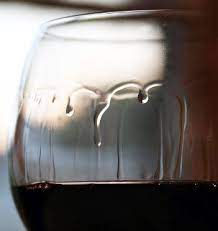
"This wine has got some good legs." Huh? Legs is a term used in the industry to describe the viscosity of the wine (or thickness). When you swirl a glass or wine, the legs are how the wine drips down the sides. Often, the more legs a wine has the higher in alcohol and/or sugar it is.
Decanting
This simply means to move the wine from the bottle to a different vessel so it can "breathe." When a wine breathes is allowing oxygen to mix in and make it smoother. Often you will see red wines being decanted due to the tannic nature of reds.


Comments